

Swindon Viewpoint is Britain’s only surviving original community television station.
Here is a summary of our long and colourful history.
Viewpoint was first registered as a company in May 1958 by the cable company in Swindon, (then called Radio Rentals, but eventually to be known as Swindon Cable). The company at that time thought commercial television on a local scale would one day be feasible, and so formed a company in preparation.
Swindon was at the time developing a relatively large cable network, designed to relay TV directly into people’s homes (because on-air reception by aerial was poor, due to the considerable distance from the nearest transmitters). Radio Rentals ran the service and distributed the main broadcast channels – BBC and ITV – to homes on the network. They also realised that the cable system could carry more channels than those few currently available, – including the potential for locally originated television.
The government was still not permitting local television, but Radio Rentals kept Swindon Viewpoint ready, in the expectation that one-day they would. The company was steadily expanding the cable network meanwhile, and began to think that a local TV service offer would also encourage greater subscriber uptake. There were concerns around the funding of a local service however, and the company wanted the government to allow them to carry local advertising.
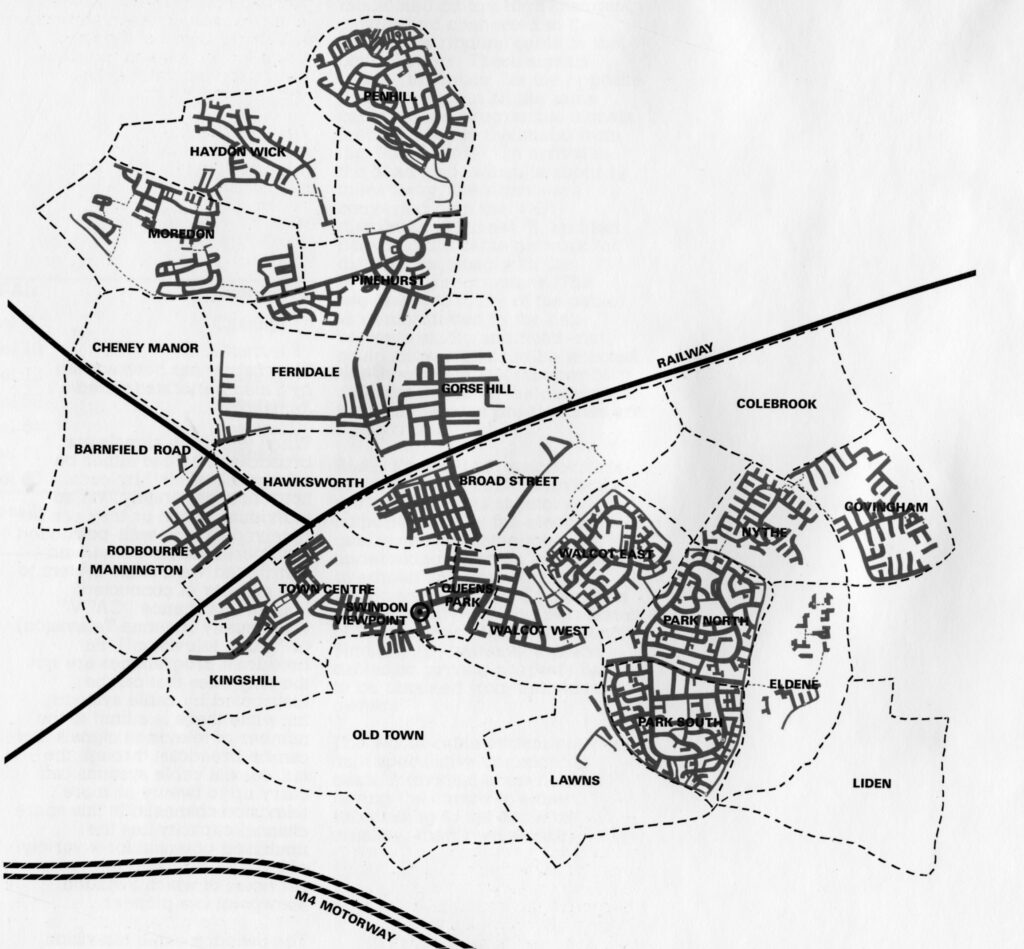
The cable network in Swindon during the 60s
The chance to activate Swindon Viewpoint came in 1972 when the Government licensed what it termed ‘experiments’ in local TV for a number of places in Britain; Wellingborough, Bristol, Sheffield, Greenwich and of course Swindon.
Radio Rentals then sold Viewpoint to Thorn-EMI, who were interested in trying out local television, – and Thorn launched the Swindon service.
Swindon Viewpoint was the only one of these five national ‘experiments’ to establish itself successfully – and flourish beyond an initial period. – Some lasted only a few months.
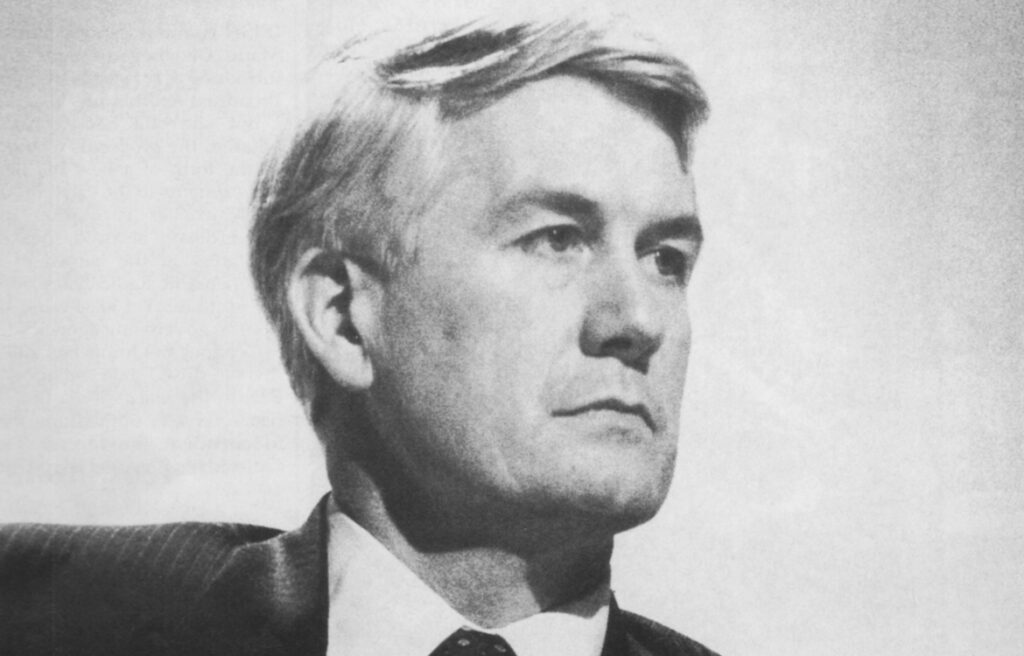
However, things have not always run smoothly. At our inaugural meeting at the Goddard Arms in 1973, the man Thorn EMI appointed as Station Manager, Richard Dunn, said: ‘Viewpoint is a pioneer and the problem for pioneers is they get shot at’.
Over and over again through our history this has proven to be the case, and countless obstacles have had to be overcome to continue providing this unique and invaluable service.
Almost certainly, a key factor in Viewpoint’s initial success was the inspired choice of Manager already mentioned: Richard Dunn.
Richard quickly realised that half a dozen staff and a few recording kits were not enough to make a significant amount of regular television output. – Hence his practical decision to harness wider community energies in programme production: –
But this was also coupled with a genuine personal philosophy of encouraging access to the media, – providing training, and as much public involvement as possible in editorial decisions surrounding the nature and content of the programmes.

Swindon Viewpoint in this early phase was funded by EMI Ltd (a telecommunications company) – as a research and development project. EMI was a separate company from Radio Rentals (the cable system owner).
After a preparatory period Viewpoint began transmissions in earnest in September 1973, and with Richard Dunn’s philosophy was soon flourishing; – transmitting an average of five hours of original TV programming a week. (10 hours with repeats).
In 1975 a regular Community Radio service was added to the roster, and Radio Swindon Viewpoint became the UK’s first community radio service.
By 1976 the success and popularity of Viewpoint was beyond doubt. Richard Dunn’s vision, and public enthusiasm, had proven the viability of the service, but the government were still not willing to allow a local channel to carry advertising or sponsorship; therefore EMI no longer felt able to continue to cover the cost of the operation.
Viewpoint was thus scheduled to close, but such was the public outcry that numerous public meetings were held, and both Radio Rentals and EMI were heavily petitioned to help find a way for Viewpoint to continue. Radio Rentals expressed their commitment to continue carrying the service (as it added greatly to their offer) but both they, and EMI, made it clear they could not fund the station at the current (and necessary) level.
EMI then offered to sell the service to the public of Swindon for £2, and this is what happened! Viewpoint therefore passed into public ownership.

The company was reconstituted as a not-for-profit company and restructured with a Board of Directors elected from, and by, the public. The new Board decided that, even if in future it be allowed, Viewpoint would not carry advertising, – as they felt it would conflict with our public-access editorial freedom.
The board set about raising funds in earnest and Viewpoint survived for a year or two on various grants. The breakthrough came when an experimental Lottery scheme (a forerunner of the National Lottery) was piloted by the firm Ladbrokes, and provided regular funding for Viewpoint.
Richard Dunn left for Thames Television in 1976 and was soon to become its Head of Operations. He remained devoted to Swindon Viewpoint however, – and frequently came back to Swindon to help out on a voluntary basis as much as possible. That unstinting support continued throughout his unfortunately short life.
For a year or two after his leaving, although programming continued, there was some organisational turmoil at Viewpoint, – and staff confusion over policy. This finally settled down when Rupert Kirkham, a man who implicitly understood Viewpoint’s philosophy, became Station Manager.
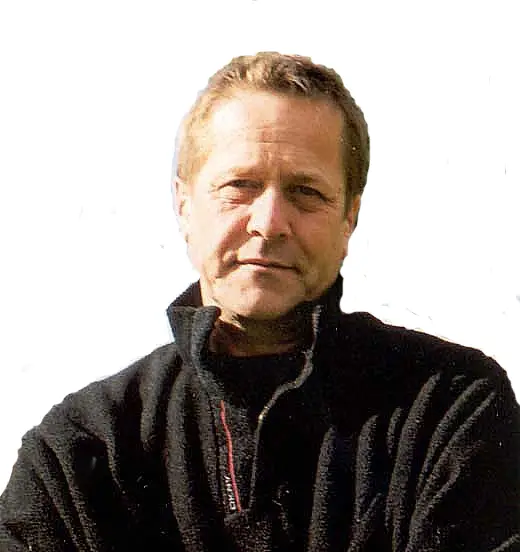
New funding allowed a change to Umatic colour equipment, and a productive few years followed, with regular weekly programmes such as ‘Seen in Swindon’, ‘Spectrum’, and ‘Tune In’ gaining considerable popularity. – Social action programmes on issues such as housing problems, were also regularly produced.
By the end of the decade storm clouds began to loom once more. The experimental lottery scheme was not renewed, and Viewpoint’s funding base once again disappeared. Swindon Viewpoint was scheduled to close yet again – when the money to pay staff would finally run out in April 1980.
The next phase in Viewpoint’s history begins with the arrival in early 1980 of Martin Parry, who would go on to steward Viewpoint for the next half-century.
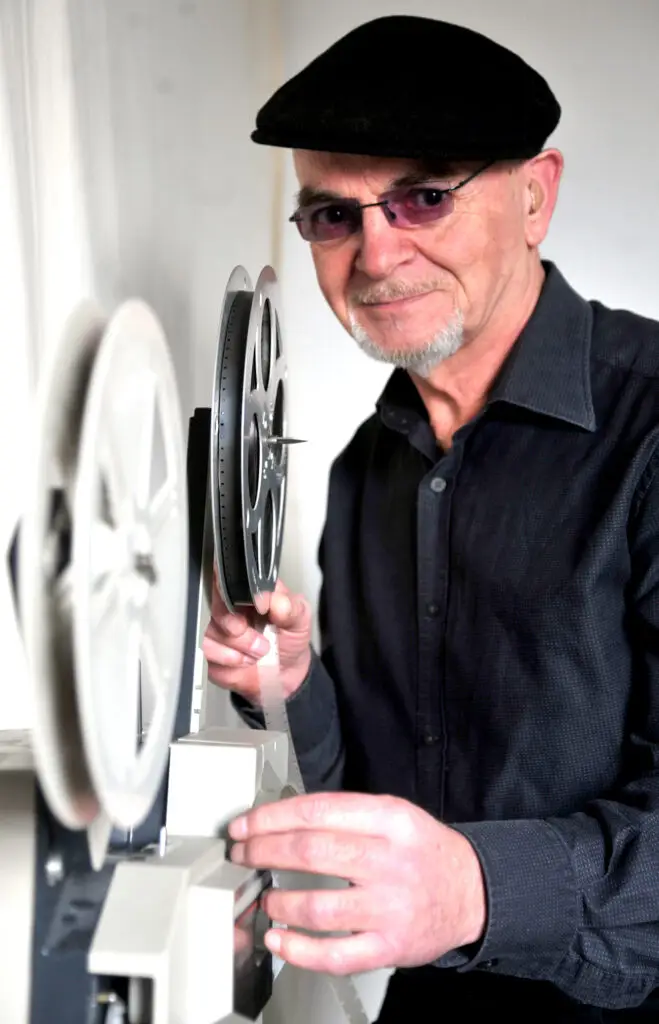
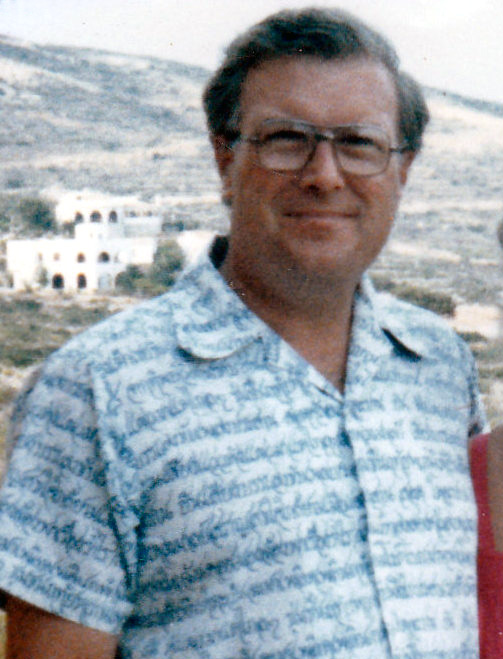
Martin Parry digitising a roll of 16mm film
Martin came to Swindon as a British Film Institute funded ‘filmmaker-in-residence’, and opened a film workshop in the town to encourage and train local filmmakers.
Fresh from work with the pioneering National Film Board of Canada (and having run a local TV channel in Canada) he immediately realised the value of Viewpoint. Martin quickly became involved with efforts to save Viewpoint, and with no apparent solution to the funding crisis, eventually proposed that the film workshop go into partnership with Viewpoint, – offering the workshop’s hopelessly inadequate room at Swindon Arts Centre as a base for Viewpoint operations. These, (with no funding for staff), would now have to be completely volunteer-based.

He then immediately drew up detailed proposals and lobbied Swindon Council to support a consolidated operation as a result of this partnership. By the second year the council had agreed to take on his salary (thus freeing the BFI money for an additional helper), and to provide the near derelict top floor of the Town Hall Arts Studios as accommodation.
The space was converted by Viewpoint volunteers for the new partnership venture Media Arts, which was to become one of Britain’s most successful media workshops of the eighties. (See ‘Videoactive‘ BBC1 primetime 1987) in our videos.
The film workshop had no video equipment, so all that of Media Arts came from Viewpoint and played a large part in the success of Media Arts. It was rented commercially some of the time, and the income used to maintain and upgrade it regularly when necessary, – while the rest of the time it was made available for public access, and also arts-based programming. The production equipment worked hard and needed to be reliable and readily available for a variety of functions, which, with some frustrations, it mostly was.
Viewpoint and its structure of an accountable, elected board of directors continued to function, and volunteer made programmes went out regularly on the cable system. Many long time Viewpoint stalwarts such as Peter Wallen, Peter Monk, Nikki Mideo and Rupert Kirkham (Station Manager in the late seventies, and board member thereafter), continued on the Board of Directors.
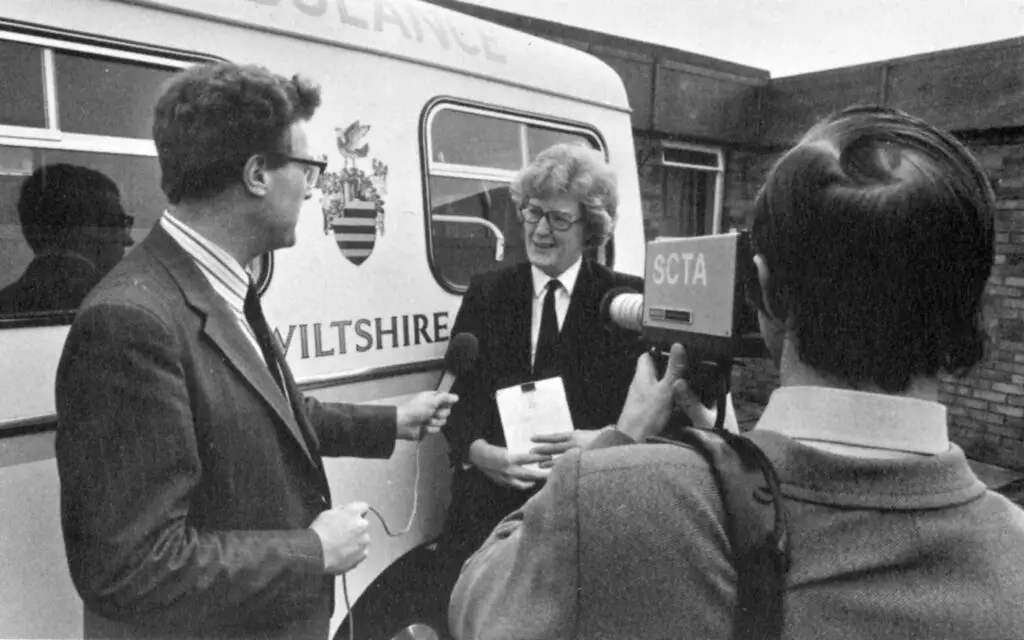
Quite a few local media figures, such as Paul Langcaster and Shirley Ludford also gained their start with Swindon Viewpoint.
Media Arts and Swindon Viewpoint trained a host of local people, – many of whom went on to success in the industry. (David Yates became Director of the Harry Potter cinema films for example).
Another person key to the success of Viewpoint in the 80’s was Rob Watling, who took the second Media Arts post of Studio Manager. He undertook training of many community groups and effectively organised their production schedules.
Relations with key partners, such as the Borough Council and Wiltshire Council, were at times awkward -(Viewpoint’s publicly made programmes were, unsurprisingly, sometimes critical of large organisations). But these relationships were on the whole successfully managed throughout the 80s:
However liaison with the cable company broke down seriously later in the decade. At the time, the company and Viewpoint were cooperating well and Swindon Cable had even offered a flourishing Viewpoint its old premises back, and some funding. Viewpoint had begun to equip the studio, but then came a community-access programme, from West Swindon, in which the makers heavily criticised the cable company for alleged insensitive practises in laying new cable in their area. See Rough Cuts.
The company manager took the view this was ‘biting the hand that feeds’ , and relations deteriorated seriously. The funding and promised premises were withdrawn, the new studio cleared out then sold, and valuable records (and some viewpoint equipment that had been taken there) were lost. Fortunately core equipment was still at Media Arts, so programmes continued to be made.
Despite realising that the programme in question would be received as bad publicity by the cable company, the Viewpoint board had hoped they would understand that Viewpoint’s public-access policy needed to be consistently applied in all quarters.
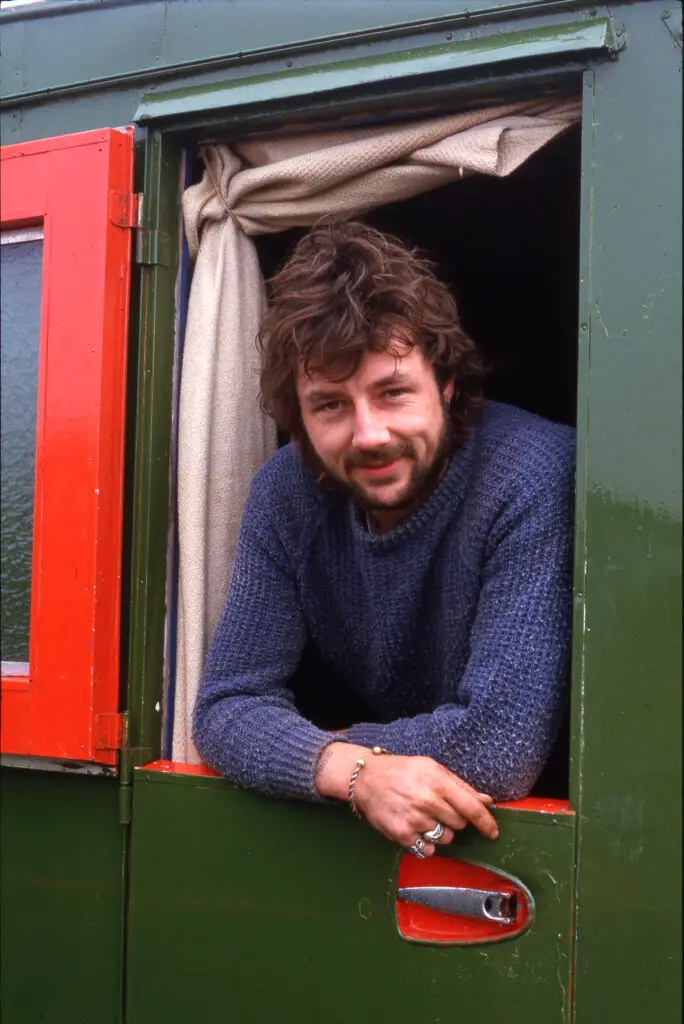
This was a rather difficult decade for Swindon Viewpoint, but also very productive in some respects.
In the early nineties, due to a dire policy and management change at the then administration, Viewpoint lost access to its own production equipment at Media Arts, (despite ownership of it), and was only able to produce programming sporadically on equipment generously loaned by various other sources from time to time. This understandably led to a reduction in programming, and temporarily in the station’s ability to serve the town.
However programmes were still regularly made, though now they had to be shown on monitors at meetings, community halls etc.
The Viewpoint Board during this era concentrated on consolidating its position in the hope of better times, and worked with a new partnership organisation Western Film Archive set up in 1988 to look after the extensive bulk of media history that Viewpoint had created over the years (and the many other items of film that had been donated). The bulk of the early tapes were placed for safekeeping at the County Records Office, and many others were stored in various safe places, often having to be moved several times as various supportive organisations, such as the Mechanics Institution Preservation Trust, – in turn lost their own accommodation.
Repeatedly during this decade attempts were made to rebuild links with the cable company (or companies, – since it was taken over a number of times), gain access to their equipment and re-establish community access programming on the system: But, despite frequent positive noises and occasional transmissions, these efforts proved to little avail in any substantial way. Perhaps because some there did not want the risk of more challenging programmes like the one already cited, or perhaps because the company was instead now endeavouring to operate its own local TV service by a different, non-access, model – and so did not want the competition. The cable company completely eventually gave up on a local channel in 2000.
One productive aspect of this period was that we were able to concentrate on significantly building our ‘Oral-History’ catalogue, – by recording the memories and experiences of very many older people before they passed away. You can find these recordings in our ‘Storytown’ programme strand. They provide an invaluable record of what local life was like before, during, and after the Second World War and are a major contribution to our heritage.
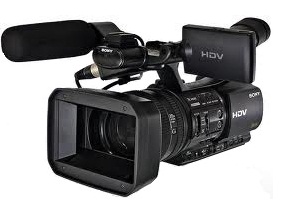
In this decade prospects grew increasingly brighter for Swindon Viewpoint and access-TV. Changes in the wider media environment, growth in the multiplicity of outlets, diversification, – and particularly the establishment of the Internet; meant we were no longer dependent on cable as the main outlet for our programmes. At the same time the widespread availability of cheaper camcorders and computer editing made production easier than in the early days of bulky, expensive – and often unreliable equipment.
During these years Martin Parry continued to steward the operation by providing training and access to many groups and individuals. At the same time, via Western Film Archive, he continued to curate and gradually transfer our large programme library to a digital format in order to make it available once again; With generous technical assistance from a major IT company, we also developed our first web distribution service for both existing and new material.
The archival process has been slow and time consuming, as tapes sometimes over fifty years old are fragile, (as are donated elderly celluloid films) and often need careful handling and conditioning to yield reasonable results. But great progress has, and is being made, and fascinating new releases from the past have regularly been made available to the public, – in parallel with providing a hub for new material of contemporary relevance to Swindon.
By the middle of the decade Viewpoint was in a position to relaunch its service fully as an Internet television station and accordingly did so. A new website steadily grew in popularity to reach over 60,000 regular viewers (at an independent statistical analysis in 2013).
Viewership has been mainly local, of course, but a significant audience has also been drawn from around the world: – Because Swindon Viewpoint is Britain’s (and probably the world’s) longest standing community television service, and is often taught about on University media courses across the globe.

In these years Swindon Viewpoint continued to flourish, with many aspects of Swindon life covered, – from Social Action, Culture, Community Protests, Meetings, Celebrations…. through to various Events and extensive coverage of the town’s lively Music and Arts scenes.
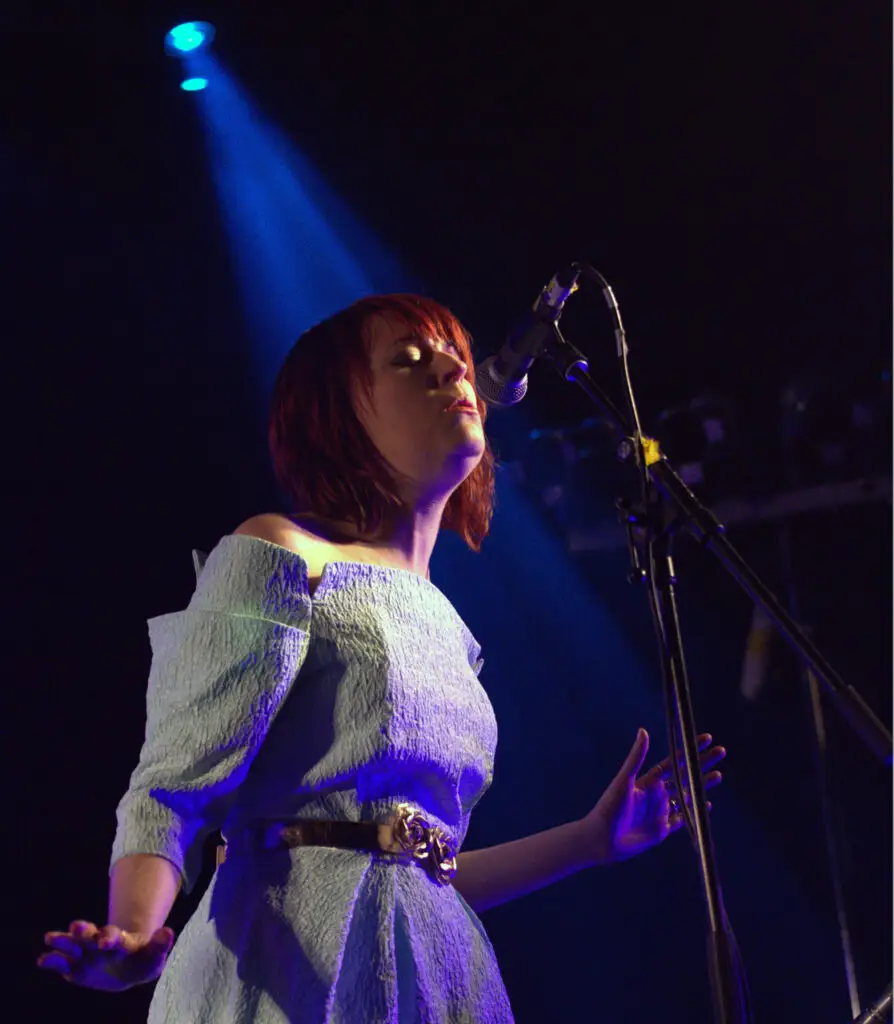
2013 was Swindon Viewpoint’s 40th anniversary year!
We held a grand benefit at which many local bands helped us fundraise. – Thanks for helping us celebrate!

Unfortunately another blow came when our reach was severely restricted around 2016: – Our web service collapsed due to its Drupal technology platform being withdrawn. The website you see here has been recently rebuilt on a new platform through the volunteer help of Alan Parry. Where would we be without our volunteers! Thanks also to Phil Reed (an original Viewpoint engineer) for volunteering key equipment service.
In 2023 Viewpoint celebrated its 50th anniversary with a get-together of old staff and volunteers.
———————————————————————-
This decade is your story! Why not get involved with what is after all your TV service, – as well as Britain’s greatest community television station? Help take it into a new age!
We are particularly looking for people able to make and supply new programmes about our town and North Wiltshire. If you would like to help with Viewpoint’s production or administration activities, or have programmes you think we could show, please do get in touch.
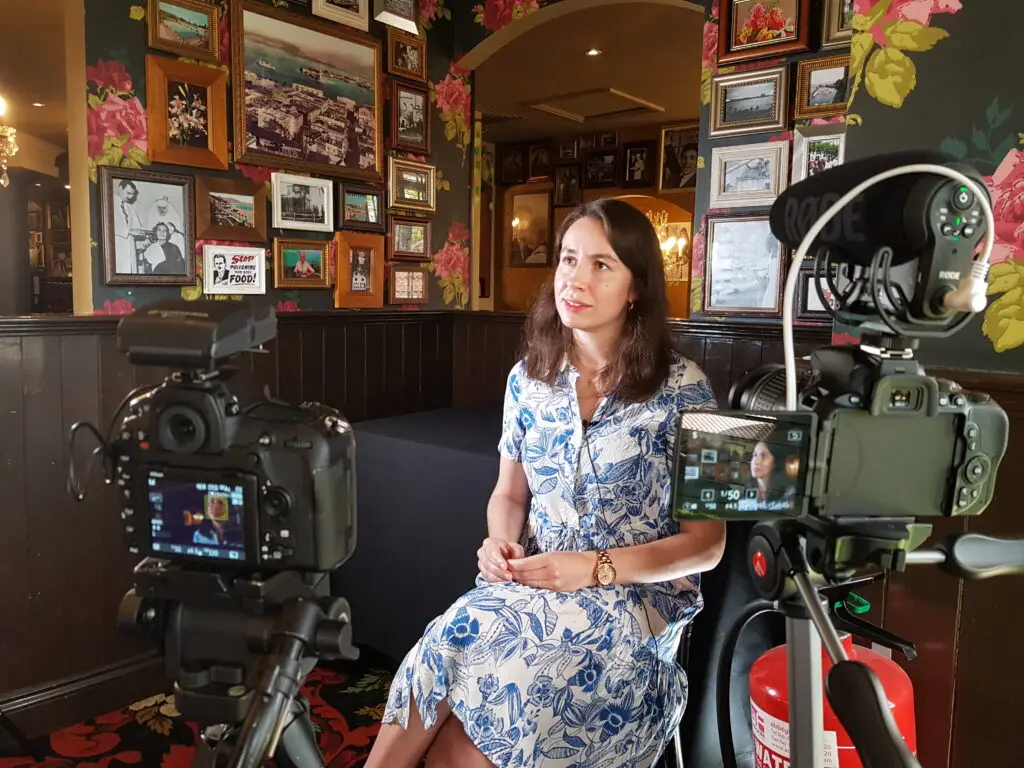
Swindon Viewpoint has long been Britain’s public-access TV success story, and as such has a unique history and place in Britain’s media landscape.
Swindon Viewpoint is now operated by Viewpoint Community Media – a Registered Charity.
As well as making our extensive library gradually more and more available, we can now accept and show new material and continue our philosophy of entertaining our public with reflections of local life; – and continue to fulfill our mission to encourage debate, dialogue and understanding on issues of public relevance.
What we have in Viewpoint is unique and valuable. – Nowhere else can boast so extensive a ‘living diary’, or offer residents such a meaningful way of understanding or engaging with local life.
Browse our extensive catalogue in Videos